Hidden Wiki Film Overview
| Film Title | Release Year | Budget | Box Office | Cybersecurity Depiction |
|---|---|---|---|---|
| Unfriended: Dark Web | 2018 | $1 million | $16.4 million | Dramatises user risks on laptops |
| Hidden | 2015 | $0.31 million | $310,273 | Portrays survival amid misinformation |
| N/A | N/A | N/A | N/A | Multiple forks and phishing threats exist |
Cinematic Depiction of the Hidden Wiki
Films often dramatise the concept of the Hidden Wiki and dark web navigation, presenting a mix of intrigue and danger. The Hidden Wiki initially emerged as a community-editable link directory, with its origins tracing back to 20072. In contrast to cinematic portrayals, real-world access to the Hidden Wiki involves navigating a fragmented ecosystem, as there is no single official version. Instead, users encounter numerous forks and phishing clones, complicating safe navigation2.
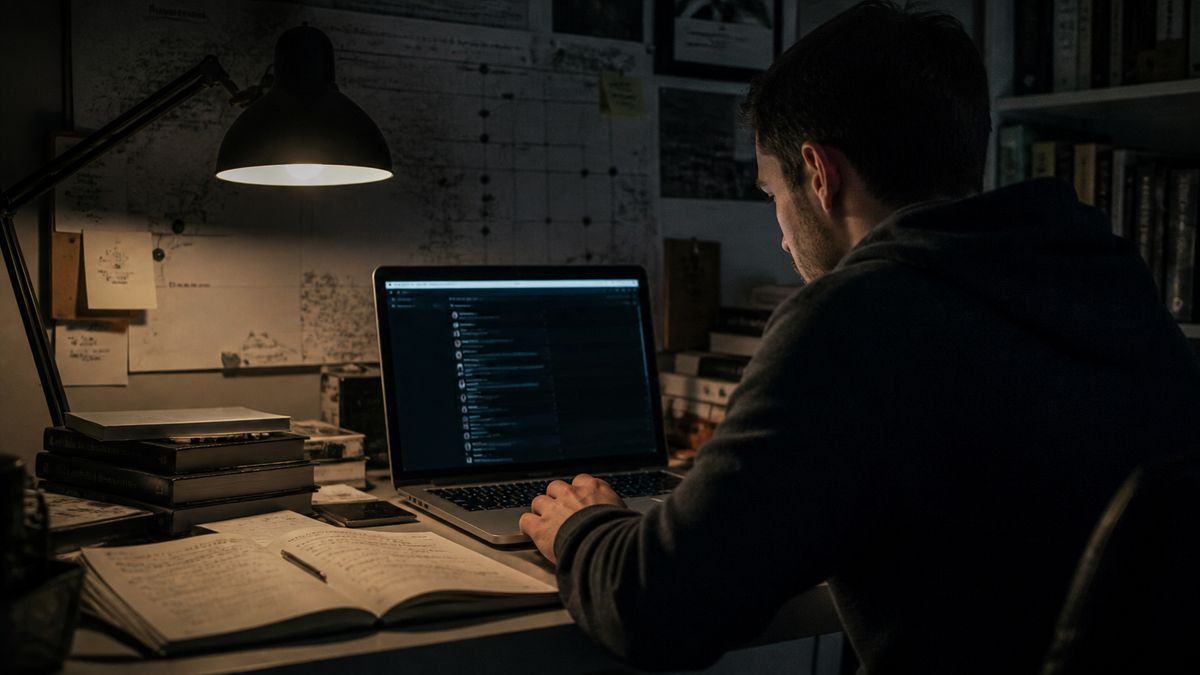
Movies like “Unfriended: Dark Web” (2018) depict characters stumbling upon a laptop that grants access to the dark web, leading to a series of harrowing events1. This narrative structure often exaggerates the immediacy of threats. For instance, malware is frequently shown as an instant consequence of clicking a link, while in reality, such compromises often occur over time, requiring a series of missteps before significant damage ensues. Understanding this distinction is crucial for viewers to avoid misjudging the risks associated with dark web exploration.
Safety and cybersecurity risks are paramount when considering engagement with the Hidden Wiki. Users may be exposed to malware designed to steal sensitive information, such as login credentials or financial data. The transition to cryptographic v3 long domains in late 2021 was intended to enhance security, yet it also underscores the importance of vigilance in the face of evolving threats3.
To navigate these digital spaces safely, consider the following precautions:
Use secure browsers: Browsers like Tor can enhance anonymity but do not eliminate risks.
Employ VPNs: Virtual Private Networks can obscure users' real IP addresses, adding an extra layer of security.
Exercise caution with links: Verify the authenticity of addresses before clicking, as many may lead to phishing sites or malware.
Stay informed: Regularly update knowledge about cybersecurity threats to recognise potential dangers.
These strategies are vital for mitigating risks while exploring the narratives presented in films about the dark web. Engaging with these themes not only enhances understanding but also emphasises the importance of digital safety in an increasingly interconnected world.
Plot Overview and Synopsis
The film's narrative revolves around the exploration of the Hidden Wiki, a concept that embodies the complexities of the dark web. Characters are often drawn into this digital underworld through seemingly innocuous incidents that escalate into perilous situations.
In “Unfriended: Dark Web” (2018), a group of friends accidentally discovers a laptop that grants them access to the dark web. This discovery serves as the inciting incident, leading them to encounter disturbing content and ultimately, a malicious entity. The film progresses as the characters navigate through various dark web links, with each click heightening the tension and danger they face. Their interactions illustrate how easily one can slip into a world of illegal activities and digital threats, reflecting real-world concerns about cybersecurity and anonymity.
Conversely, “Hidden” (2015) presents a different angle on survival under pressure. The story follows a family hiding in a fallout shelter for over 300 days amid a mysterious outbreak. While not directly linked to the Hidden Wiki, the film encapsulates themes of isolation and fear that parallel the psychological tension associated with dark web exploration. The family’s struggle for survival mirrors the risks of navigating unknown digital terrains, highlighting how fear can dictate actions, whether in a physical or virtual environment.
The narrative trajectories in both films illustrate the potential dangers of the dark web. Characters often face malware threats, identity theft, and digital surveillance, emphasising the importance of cybersecurity awareness. As viewers engage with these narratives, they are prompted to consider the implications of their own online behaviours and the risks associated with the allure of anonymity offered by platforms like the Hidden Wiki.
In summary, the plots of these films serve as cautionary tales about the dark web, showcasing how innocent curiosity can lead to significant dangers. Understanding these narratives aids in recognising the real-world risks tied to dark web exploration and the importance of implementing safety measures when navigating such environments.
Key Characters and Cast
In films exploring the dark web, key characters often embody the complexities of cybersecurity and the risks associated with digital trespassing. Notable films include “Unfriended: Dark Web” and “Hidden,” each featuring distinct casts and character motivations.
“Unfriended: Dark Web” stars a group of friends, including Matias (played by Colin Woodell) and Damon (played by Andrew Lees), who inadvertently access a dark web laptop. Their motivations revolve around curiosity and a desire for adventure, which quickly morph into survival instincts as they confront the malevolent forces lurking online. Directed by Stephen Susco, the film captures the immediate dangers of digital exploration, where curiosity leads to fatal consequences. The characters’ interactions highlight the risks of malware and identity theft, illustrating how a single click can expose one to severe threats1.
Conversely, “Hidden,” directed by Matt and Ross Duffer, features a family—Ray (played by Alexander Skarsgård), Claire (played by Andrea Riseborough), and their daughter Zoe (played by Emily Alyn Lind)—who are hiding in a fallout shelter. While not directly related to the Hidden Wiki, the film explores themes of isolation and the paranoia that accompanies living under constant surveillance. The motivations of these characters are rooted in survival, reflecting a more psychological tension that parallels the fears associated with navigating hidden online spaces. The revelation of their true circumstances serves as a metaphor for the hidden dangers within the digital realm45.
The production crews behind these films also contribute significantly to the atmosphere and themes. For instance, “Unfriended: Dark Web” was produced on a budget of $1 million, yet it grossed approximately $16.4 million worldwide, demonstrating the commercial viability of such narratives1. This success indicates a broader audience interest in the themes of cybersecurity and the dark web, underscoring the importance of character-driven stories in understanding these complex issues.
When analysing character motivations, it becomes clear that both films serve as cautionary tales. Characters often act out of curiosity or necessity, but their actions expose them to significant risks, such as digital surveillance and malware attacks. This portrayal urges viewers to consider their online behaviours and the potential consequences of engaging with platforms like the Hidden Wiki, where anonymity may come at a high price.
Realism vs. Myth: Dark Web Portrayal
The depiction of the dark web in films often blurs the lines between realism and fiction, leading to misconceptions about elements such as anonymity, malware, and cyber threats linked to the Hidden Wiki. Understanding these portrayals requires a critical analysis of the technical accuracy behind them.
Commonly, films suggest that accessing the dark web is a straightforward process, often presenting characters who simply click a link to dive into a world of intrigue and danger. In reality, navigating the dark web, particularly through platforms like the Hidden Wiki, demands an understanding of its fragmented nature. There is no single official version of the Hidden Wiki; instead, users encounter a variety of forks and phishing clones, which complicates safe navigation2. This complexity is frequently overlooked in cinematic narratives, which tend to simplify the experience.
Anonymity is another aspect frequently misrepresented. While the Tor network, which underpins the dark web, offers users a degree of privacy, it does not guarantee complete protection against digital surveillance or malicious actors. The transition to cryptographic v3 long domains in late 2021 aimed to enhance security3, yet the risk of encountering malware remains high. Users are often depicted as instantly compromised after a single click, whereas, in reality, malware infections typically occur after a series of careless actions. For example, downloading a file from an unverified source can lead to gradual exposure to threats, rather than an immediate attack.
To mitigate risks associated with exploring the dark web, consider the following precautions:
Use secure browsers: Tor is essential for accessing .onion sites but does not eliminate all risks.
Employ VPNs: A Virtual Private Network can help obscure your real IP address, adding a layer of anonymity.
Exercise caution with links: Always verify the authenticity of URLs before clicking, as many may lead to phishing sites or malware.
Stay informed: Regularly update your knowledge about cybersecurity threats to better recognise potential dangers.
These strategies are crucial for anyone engaging with dark web narratives, ensuring that curiosity does not lead to harmful consequences. By understanding the discrepancies between cinematic portrayals and real-world risks, viewers can appreciate the complexities of the dark web while prioritising their digital safety.
Themes and Psychological Tension
Films that explore the Hidden Wiki and the dark web often delve into themes of paranoia, isolation, and digital surveillance. These motifs serve to heighten psychological tension, drawing viewers into the characters' experiences as they navigate a treacherous virtual landscape.
Paranoia is a prevalent theme in films like “Unfriended: Dark Web.” Characters frequently find themselves under constant threat, leading to a heightened sense of anxiety. The fear of exposure—whether through malware, identity theft, or digital surveillance—drives the narrative forward. This fear is not unfounded, as users can become victims of sophisticated cyber threats simply by accessing seemingly innocuous links. Such scenarios reflect real-world concerns about cybersecurity, where an innocent click can lead to dire consequences.
Isolation also plays a critical role in these narratives. In “Hidden,” the family’s confinement in a fallout shelter for over 300 days illustrates the psychological toll of being cut off from the outside world. Although this film does not directly reference the Hidden Wiki, the underlying tension mirrors the experience of individuals who navigate the dark web. The characters' struggles highlight how isolation can breed fear and uncertainty, both in physical and virtual environments.
Digital surveillance amplifies this tension, as characters grapple with the knowledge that their actions may be monitored. The transition to cryptographic v3 long domains in late 2021 aimed to enhance security, yet it also serves as a reminder of the ever-present risks associated with anonymity online3. The intricate web of forks, mirrors, and phishing clones of the Hidden Wiki complicates safe navigation, further instilling a sense of dread in users2.
To summarise, the psychological tension in these films stems from the interplay of paranoia, isolation, and the omnipresence of digital surveillance. As viewers engage with these narratives, they are prompted to reflect on their own online behaviours and the potential risks of exploring the dark web. Engaging with these themes not only enriches the viewing experience but also underscores the importance of maintaining a vigilant approach to digital safety.
Security Risks and Digital Safety Analysis
Exploring dark web directories like the Hidden Wiki presents substantial cybersecurity risks. Users must be aware of potential threats such as malware, phishing, and legal implications inherent in this clandestine environment.
Malware poses a significant danger when accessing the dark web. Often, malicious software is disguised as legitimate content, waiting for unsuspecting users to download it. A 2021 study highlighted that approximately 70% of dark web sites contain malware or links to malicious content, making it essential to exercise caution when navigating these platforms2. For instance, downloading files from unverified sources can lead to infections that compromise personal data.
Phishing attacks are another prevalent risk. The fragmented nature of the Hidden Wiki contributes to this problem, as there is no single official version, resulting in numerous forks, mirrors, and phishing clones2. Users may inadvertently visit a phishing site that mimics the Hidden Wiki, leading to identity theft or financial loss. Awareness of how these deceptive practices operate is crucial for maintaining digital safety.
Legal implications also warrant consideration. Engaging with illegal content on the dark web can lead to severe consequences, including criminal charges. The anonymity provided by the Tor network does not guarantee protection from law enforcement agencies, which actively monitor dark web activities. In 2021, the Tor Project transitioned to cryptographic v3 long domains to enhance security, but this change does not eliminate legal risks associated with accessing illicit material3.
To navigate the dark web safely, consider the following precautions:
Use secure browsers: Accessing .onion sites requires specific browsers, like Tor, but this does not eliminate all threats.
Employ VPNs: A Virtual Private Network can obscure your real IP address, adding a layer of anonymity.
Verify links: Always check the authenticity of URLs before clicking, as many may lead to phishing sites or malware.
Stay informed: Regularly update your knowledge about cybersecurity threats to recognise potential dangers.
By implementing these strategies, users can mitigate risks associated with exploring the dark web while satisfying their curiosity. Understanding the complexities of the Hidden Wiki and its associated risks can lead to a more informed and safer online experience.
Where to Watch and Streaming Availability
Films that explore themes related to the Hidden Wiki and the dark web are available across various platforms, both digitally and physically. Their accessibility often varies by region, which can affect viewer options.
“Unfriended: Dark Web” (2018) can typically be found on popular streaming services such as Amazon Prime Video and Hulu. It was released theatrically in July 2018, grossing approximately $16.4 million worldwide against a budget of $1 million1. During its theatrical run, the film employed a unique distribution strategy, presenting different endings across various screenings, which added to its intrigue6.
“Hidden” (2015), directed by Matt and Ross Duffer, is available for streaming on platforms like Netflix and Amazon Prime Video. This psychological thriller was released in the United States by Warner Bros. Pictures on September 15, 2015, and grossed $310,273 globally7. The film's themes of isolation and survival resonate with the psychological tensions seen in narratives surrounding the dark web.
For physical media, both titles are available for purchase on DVD and Blu-ray from retailers like Amazon and Best Buy. Availability may differ based on your location, so checking regional online stores is advisable.
Regional Availability and Ratings
The availability of these films may change based on licensing agreements and regional content restrictions. For example, certain streaming services might not offer “Unfriended: Dark Web” in specific countries due to content regulations or licensing issues. Ratings also vary; “Unfriended: Dark Web” received an R rating for language, sexual content, and disturbing images, while “Hidden” was rated PG-13 for thematic elements and brief violence.
To ensure safe viewing, consider the following:
Check local streaming services: Use platforms available in your region to find these films.
Verify ratings: Always review the film ratings to understand the content and suitability for your audience.
Explore alternative platforms: If a film isn't available on mainstream services, look for independent streaming platforms that may offer it.
By understanding where and how to access these films, viewers can engage with narratives that reflect the complexities of the dark web while remaining mindful of regional restrictions and content ratings.
Common Misconceptions and Navigation Errors
Assuming the Hidden Wiki Has an Official Version
Viewers often assume that platforms like The Hidden Wiki possess a single, canonical version managed by a central authority. This misconception stems from how mainstream media simplifies complex digital infrastructures for cinematic narratives. In reality, no single official version exists, leaving a sprawling ecosystem of forks, mirrors, and phishing clones to compete for user traffic2. You should instead recognise this chaotic landscape as a fragmented directory system requiring extreme caution2.
Believing Tor Anonymity Prevents All Legal Consequences
Cinematic representations frequently imply that routing traffic through the Tor network grants absolute immunity from law enforcement tracking. Screenwriters use this trope to heighten the thrill of illicit exploration, ignoring how offline investigations and endpoint compromises expose users. You must remember that the Tor network's transition to cryptographic v3 long domains in late 2021 was implemented for enhanced security3, yet it does not eliminate the legal risks associated with accessing illicit material.
Treating Dark Web Directories Like Surface Web Wikis
People frequently treat dark web directory links with the same safety assumptions applied to standard surface web encyclopaedias. This dangerous error ignores the high density of malicious software and deceptive phishing traps embedded within unverified directories2. You must employ robust protective measures, such as secure browsers and virtual private networks, before attempting any digital exploration of hidden services.
Expecting Instantaneous Cinematic Cyber Attacks
Films frequently portray immediate, dramatic system takeovers the exact moment a character clicks an unverified dark web link. Filmmakers use this device to accelerate tension, contrasting sharply with how real-world malware and security compromises usually operate over extended periods. You must evaluate these scenes as dramatised fiction rather than accurate representations of network navigation risks.
Confusing Fictional Horror Films with Real Cybersecurity Data
Audiences occasionally mistake low-budget fictional thrillers detailing dark web navigation for authentic documentaries about actual cyber criminal syndicates. For instance, the 2018 screenlife horror film “Unfriended: Dark Web” was produced on a modest budget of $1 million and grossed approximately $16.4 million worldwide following its July theatrical release1. You need to separate these commercial entertainment products from the genuine, unglamorous cybersecurity threats documented by researchers.
Conclusions
Treat cinematic portrayals of the dark web as dramatised fiction rather than accurate technical guides1.
Recognise that directories lack a single canonical version, consisting instead of fragmented mirrors and phishing clones2.
Account for cryptographic protocol shifts, such as the complete deprecation of v2 .onion domains following late 20213.
Implement robust protective measures, including secure browsers and virtual private networks, to mitigate malware risks.
To examine how technical realities compare with media representations, read more about Hidden Wiki Video Content.
Explore More About Dark Web Films
Discover additional insights and analyses on related topics.
View More ArticlesFootnotes