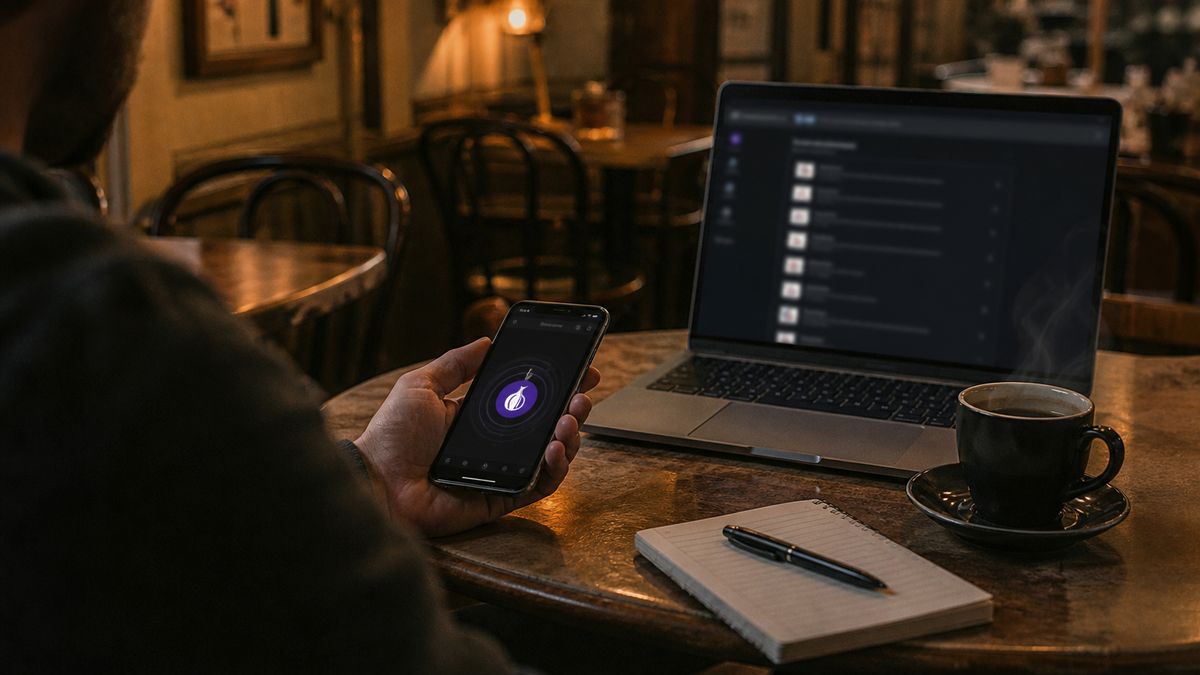
Security Comparison of Wikipedia's Onion Service Citations vs. Unverified Dark Web Directories
| Source Type | Security Level | Content Verification | Risk of Malware |
|---|---|---|---|
| Wikipedia Onion Services | High | Vetted summaries | Low |
| Unverified Directories | Low | Unverified content | High |
| Wikipedia Articles | High | Fact-based information | Low |
| Dark Web Forums | Medium | User-generated content | Medium |
| Research Papers | High | Peer-reviewed | Low |
| Personal Blogs | Variable | Subjective opinions | Variable |

Understanding Dark Web Links and Wikipedia's Scope
Dark web links, specifically those ending in “.onion,” are associated with hidden services accessible only through the Tor browser. These links provide a gateway to a range of websites that are not indexed by traditional search engines, thereby enabling users to browse anonymously. Wikipedia addresses the topic of dark web links primarily through articles that explain the technology and its implications, rather than providing a directory of these hidden services.
Wikipedia's approach to curating content about dark web links involves a careful balance. While it offers information about the existence and functionality of onion services, it does not endorse any specific service or provide direct links. This policy is in place to minimise the risk of exposing users to illegal content or potential security threats, such as phishing or malware attacks. For instance, while ProPublica operates a .onion site for anonymous news reporting, Wikipedia summarises its purpose without linking directly to the site.
The platform relies on established guidelines to categorise content related to the dark web. Articles may include discussions on operational security, the risks associated with using the dark web, and comparisons between verified sources like Wikipedia and unverified directories. This structure aids users in understanding the environment of the dark web while promoting safety.
When looking for information on dark web links, users are encouraged to consult reputable sources rather than relying on potentially dangerous directories. For example, the Hidden Wiki is a popular reference point, yet users should approach it with caution due to the risk of encountering illegal content or harmful links. Wikipedia’s commitment to factual representation ensures that users are informed about the dark web without being led into potentially hazardous situations.
For further insights into the categorisation of onion services, see Onion Website Information on Wikipedia.
How Wikipedia References Tor Onion Services
Wikipedia provides an overview of various categories of Tor onion services, which are accessible exclusively through the Tor browser. These services are often grouped into several key categories, each serving different purposes.
Official News Outlets
One notable category includes official news outlets that utilise onion services for secure and anonymous reporting. For example, ProPublica operates a .onion site that allows users to access investigative journalism without compromising their privacy. This arrangement enables whistleblowers and sources to communicate safely, ensuring the protection of sensitive information.
Privacy Tools
Another important category consists of privacy tools and services designed to enhance user security. Proton Mail and Riseup are examples of email services that offer encrypted communication through their onion sites. These platforms aim to provide users with greater control over their data, reducing the risk of surveillance and data breaches.
Government Agencies
Certain government agencies also maintain a presence on the dark web. The CIA, for instance, has established a .onion site to provide information securely and anonymously to users. This initiative is particularly useful for individuals in regions where access to information is restricted, enabling them to obtain critical data without fear of retribution.
Summary of Categories
Official News Outlets: ProPublica
Privacy Tools: Proton Mail, Riseup
Government Agencies: CIA
Each of these categories demonstrates the diverse applications of onion services in promoting privacy, security, and freedom of information. Wikipedia’s coverage of these services does not include direct links, adhering to its policy of preventing exposure to illegal content and maintaining user safety. For more detailed information about these services, users can refer to the relevant sections on Wikipedia.
Risks, Scams, and the Reality of The Hidden Wiki
The Hidden Wiki serves as a prominent directory within the dark web, but it carries significant risks due to its unverified nature. Users should be aware that many links presented in such directories can lead to phishing sites, malware, or scams that mimic legitimate services.
Phishing is a common threat within the dark web, where fraudulent websites impersonate trusted sources to steal sensitive information. For instance, a link appearing to direct users to a well-known encrypted email service could instead lead to a counterfeit site designed to harvest login credentials. Users might unknowingly provide personal information, believing they are accessing a legitimate service.
Malware is another prevalent danger. Clicking on unverified links may result in the automatic download of harmful software, which can compromise the security of your device. This malware can range from keyloggers that capture keystrokes to ransomware that locks files until a ransom is paid. The consequences of such infections can be severe, including data loss and financial theft.
Scam links are also a significant concern. Some links may lead to websites that promise illicit goods or services but are merely traps to extract money from unsuspecting users. These scams can involve fake marketplaces where users pay for items that do not exist or services that are never delivered.
To mitigate these risks, it is crucial to maintain operational security when exploring the dark web. Users should consider the following precautions:
Verify Links: Always cross-reference links against legitimate sources before clicking.
Use a VPN: A Virtual Private Network can add an extra layer of security by masking your IP address.
Avoid Sharing Personal Information: Be cautious about the information you disclose, even on seemingly secure platforms.
Utilise Security Software: Employ up-to-date antivirus and anti-malware tools to help identify threats.
In conclusion, while the Hidden Wiki may offer a gateway to various dark web resources, the dangers of phishing, malware, and scams necessitate a cautious approach. Users should educate themselves on these risks and adopt safety measures to protect their information and devices. For a deeper understanding of the limitations and potential hazards associated with the Hidden Wiki, see Is Hidden Wiki Legit?.
Is Accessing Dark Web Links Illegal?
Accessing dark web links through the Tor browser is not inherently illegal. The Tor network allows users to browse the internet anonymously, providing access to both legal and illegal content. However, the legality of your actions depends on what you do while using the dark web.
Simply browsing .onion sites, which are specific to the Tor network, is legal in many countries. For example, individuals may visit sites that provide whistleblower information, privacy tools, or forums for discussing sensitive topics. Websites like ProPublica maintain .onion versions for secure access to news and information, promoting free speech and anonymity.
Engaging in illegal activities, however, is where legality becomes a concern. This includes purchasing illegal items, accessing child exploitation sites, or participating in hacking forums. Law enforcement agencies, such as the FBI, actively monitor dark web activities, and individuals found engaging in such actions can face severe legal consequences, including arrest and prosecution.
To illustrate, if you were to browse a forum discussing cybersecurity without downloading any illegal content, this action is generally permissible. Conversely, if you attempted to buy drugs or stolen data, you would be violating laws and could face criminal charges.
Maintaining operational security (opsec) is critical when using the dark web. Users should be aware of the risks associated with their activities and take necessary precautions. This includes being cautious about sharing personal information and using security tools to protect against malware and phishing attacks.
In summary, while the act of accessing dark web links is not illegal, the nature of the content accessed and the actions taken on these sites determine legality. Users should stay informed about the laws in their jurisdiction and exercise caution when navigating this complex environment.
How to Access the Dark Web Safely
Accessing the dark web requires careful consideration of security protocols to protect personal information and mitigate risks. The Tor network is the primary means of accessing dark web content, typically through the Tor browser. Here are the essential steps to access the dark web safely:
Download and Install the Tor Browser
Download from Official Sources: Obtain the Tor browser directly from the official Tor Project website. This reduces the risk of downloading compromised versions that may contain malware.
Installation: Follow the installation instructions specific to your operating system. Ensure that you are installing it in a secure environment, preferably on a device that does not contain sensitive information.
Maintain Operational Security (OpSec)
Operational security is vital when browsing the dark web. Consider the following practices:
Use a VPN: A Virtual Private Network adds an extra layer of anonymity by masking your IP address. This can help protect your identity even if the Tor network is compromised.
Avoid Personal Information: Refrain from using personal identifiers, such as your real name, email address, or social media accounts. Consider using services like Proton Mail for email communication, which offers enhanced privacy.
Be Cautious with Links: Many links on the dark web can lead to malicious sites. Always verify links through trusted sources or forums before clicking.
Browsing Safely
When navigating the dark web, the following precautions can help ensure a safer experience:
Utilise Search Engines: Use privacy-focused search engines, such as DuckDuckGo, to find .onion sites rather than relying on unverified directories like the Hidden Wiki.
Check for HTTPS: Ensure that the sites you visit use HTTPS, which provides an additional layer of security.
Be Wary of Downloads: Avoid downloading files from unknown sources, as they may contain malware or other harmful software.
Recognising Risks
Understanding the potential dangers associated with the dark web is crucial. Common threats include:
Phishing Attacks: Fraudulent sites may attempt to steal your credentials by mimicking legitimate services. Always verify the authenticity of sites before entering any information.
Malware: Clicking on unverified links can lead to malware infections that compromise your device’s security.
Scams: Be cautious of links that promise illicit goods or services, as they may be traps designed to extract money.
By adhering to these guidelines, you can significantly reduce the risks associated with accessing the dark web. Always remain vigilant and informed about the environment you are navigating. For further insights on safe practices, consider reviewing Wikipedia for Dark Web Resources.
Wikipedia vs. Unverified Directories: A Risk Comparison
Wikipedia serves as a valuable resource for understanding dark web links due to its editorial standards and community-driven oversight. In contrast, unverified directories, such as the Hidden Wiki, present significant risks, particularly regarding the safety of users.
One of the primary advantages of using Wikipedia is the rigorous fact-checking process it employs. Each article is subject to scrutiny by multiple contributors, which helps ensure that the information presented is accurate and reliable. In contrast, many dark web directories lack such oversight, often containing links that lead to phishing sites, malware, or scams. For example, users may encounter a link that appears to direct them to a legitimate service, only to find themselves on a counterfeit site designed to steal their personal information.
The risks associated with unverified directories can be severe. Phishing attacks are prevalent in the dark web, where malicious sites impersonate trusted sources. Clicking on a fraudulent link could result in the loss of sensitive information, such as login credentials or personal data. Meanwhile, malware is another significant danger; unverified links can trigger automatic downloads of harmful software that compromises the user's device security.
To illustrate, consider a scenario where you are seeking a privacy tool on the dark web. If you rely on a directory like the Hidden Wiki, you may inadvertently click on a link that leads to a malware-infected site. Conversely, if you refer to Wikipedia, you can access a curated list of reputable services without the associated risks of unverified links.
Operational security is crucial when navigating the dark web. Users should adhere to best practices, including verifying links against trusted sources, using a VPN for added anonymity, and employing up-to-date security software to identify potential threats. These measures can significantly reduce the chances of falling victim to scams or malware.
In summary, Wikipedia offers a safer reference point compared to unverified directories. Its editorial standards help mitigate risks associated with the dark web, making it a more reliable option for those seeking information. For additional insights on dark web resources, refer to Wikipedia for Dark Web Resources.
Common Mistakes and Misconceptions
Assuming Wikipedia Links Are Entirely Safe to Click Directly
Many readers falsely believe that because an onion link appears on Wikipedia, it is completely secure to open within a standard browser. This misconception often stems from overestimating the platform’s technical control over external routing. In practice, Wikipedia only provides reference text and does not actively manage or host the underlying Tor network services. You should always copy the URL manually into the Tor browser instead of expecting standard web safety guarantees.
Risk factor: Exposing your clear-net IP address through unsafe browsing configurations.
Safety protocol: Treat every encyclopedic reference as a text string rather than an interactive hyperlink.
Correct approach: Isolate your research environment completely before processing any .onion references.
Confusing Institutional Onion Sites with Commercial Marketplaces
Users frequently assume that all dark web services listed in encyclopedic entries share the same operational purpose and risk profile. This oversight happens when readers fail to distinguish between public interest tools and unverified third-party directories. For instance, legitimate institutional mirrors serve specific informational needs, whereas random directories often host fraudulent actors.
Common scenario: Mistaking a secure news outlet mirror for an unregulated trading platform.
Consequence: Encountering phishing traps designed to steal personal credentials or funds.
Verification rule: Cross-reference the domain against official clear-net announcements from the respective institution.
Neglecting Operational Security When Researching Encyclopedic References
A widespread error involves thinking that reading about dark web phenomena carries zero personal exposure risks. People often bypass basic operational precautions because the source material originates from a respected public encyclopedia. Ignoring these measures can compromise your device through drive-by exploits or malicious redirects.
Key vulnerability: Browsing without adequate endpoint protection or updated anti-malware software.
Potential outcome: Unauthorised background downloads and compromised device integrity.
Remediation steps: Maintain strict digital hygiene and keep all security definitions up to date.
Relying on Unverified Directories Found via Wiki Edits
Novice researchers often jump from Wikipedia citations directly to community-edited index pages without assessing editorial oversight. This practice leaves visitors vulnerable to malicious link rotation, where legitimate URLs get replaced with scam variants. You must remember that anyone can sometimes alter community-maintained pages temporarily before moderators intervene.
Underlying cause: Assuming continuous, real-time monitoring of every single external citation.
Practical impact: Direct exposure to credential-harvesting clones and exploit kits.
Defensive action: Prioritise primary institutional sources over secondary index listings entirely.
Believing That Strict Editorial Policies Eliminate All Phishing Risks
Readers occasionally trust that strict citation standards guarantee 100% immunity from fraudulent dark web links. Editorial guidelines reduce the likelihood of malicious entries, but they cannot prevent domain spoofing or sudden site shutdowns. Bad actors frequently register lookalike onion addresses right after a legitimate service changes its domain.
False assumption: Editorial review functions as an active technical firewall.
Resulting danger: Entering sensitive search queries into spoofed login portals.
Best practice: Verify onion routing keys and official cryptographic fingerprints whenever available.
Conclusions
Prioritise official tools: Download the Tor browser strictly from official distribution channels to prevent compromise.
Maintain operational boundaries: Treat encyclopedic entries as static text strings rather than direct hyperlinks.
Avoid unverified indexes: Disregard community directories like the Hidden Wiki to bypass malware and phishing traps.
Verify domain authenticity: Cross-reference institutional onion mirrors against official clear-net announcements before interaction.
For a broader perspective on encyclopedic standards, consult Wikipedia for Dark Web Resources.
Explore More on Dark Web Safety
Discover additional resources and insights on navigating safely.
View More Articles