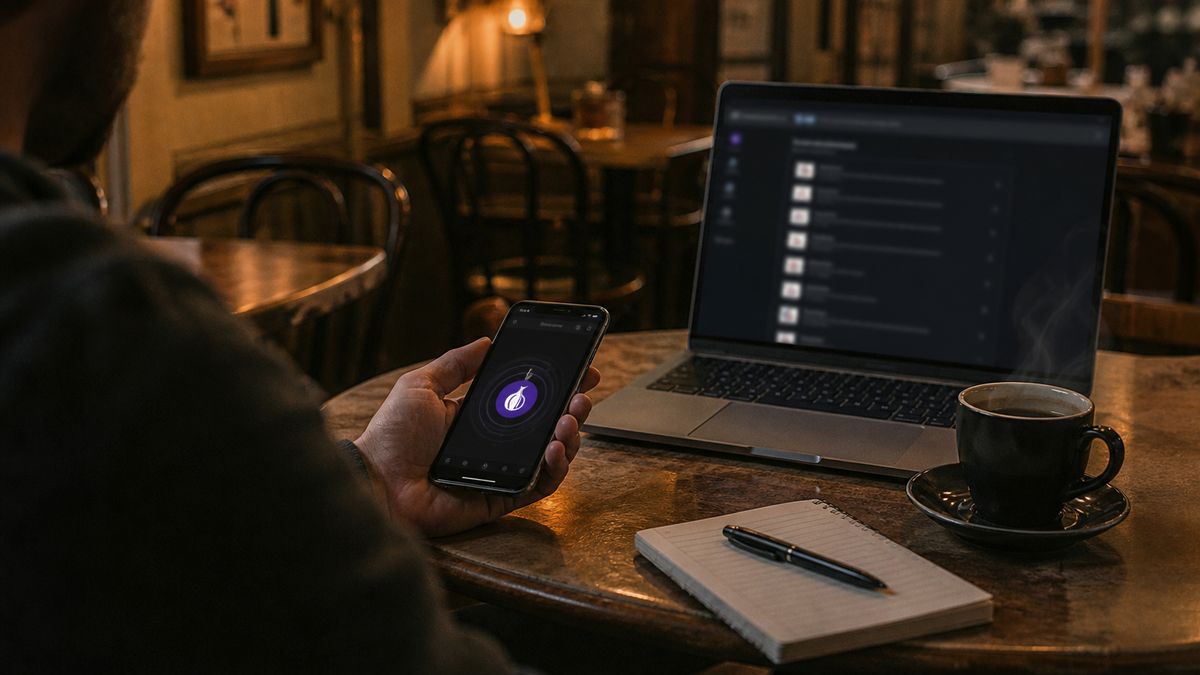
Security Assessment Matrix for Dark Web Directories
| Directory Type | Reliability | Risk Level | Notes |
|---|---|---|---|
| Hidden Wiki | Variable | High | Multiple clones exist, some are phishing traps. |
| Ahmia | High | Low | Crawls and filters .onion sites for safety. |
| Community Clones | Low | High | Often lead to malware or phishing. |
| Static Directories | Variable | Medium | Depend on user updates for accuracy. |
| Automated Search Engines | High | Medium | Index public .onion sites effectively. |
What is a Dark Web Wikipedia?
A Dark Web Wikipedia refers to directory sites and wiki-style platforms that function within the dark web, primarily using the Tor network. These resources, such as the Hidden Wiki, are designed to provide users with organised access to .onion links, which are specific to services that operate anonymously over this overlay network. The Hidden Wiki, developed on MediaWiki software, allows for community contributions, enabling users to edit and update links, similar to the collaborative nature of Wikipedia1.
Unlike traditional encyclopaedias on the surface web, dark web directories serve as indexed collections rather than automated search engines. The Hidden Wiki categorises links into areas such as forums, directories, and news, acting as a navigation tool for new Tor users2. This method of organisation can be beneficial for users seeking information or services that are not indexed by conventional search engines.
However, the landscape is complex. There is no single official version of the Hidden Wiki; numerous clones exist, many of which may lead users to phishing sites or contain malware1. This variability poses risks, as users must discern trustworthy directories from potentially harmful ones.
Alternative options, such as Ahmia, offer a safer approach by actively crawling and indexing public .onion sites while filtering out malicious content. This contrasts with static, human-curated lists which can quickly become outdated or unreliable1.
Accessing the dark web is legal in many countries, including the United States and the United Kingdom, provided users do not engage in illegal activities3. Understanding the function and structure of these dark web directories is crucial for anyone looking to navigate this hidden part of the internet safely.
Top Alternative Directories and Onion Resources
Several alternative directories and resources exist on the dark web, providing users with structured access to .onion links. Each resource has its own focus and approach to gathering information.
The Hidden Wiki
The Hidden Wiki is the most well-known directory, developed as a community-editable platform using MediaWiki software. It features a variety of categories, including forums, directories, and news, which help new users navigate the dark web [1, 3]. However, it is crucial to note that there is no single official version; many clones and forks exist, some of which may lead users to phishing sites or malware1. This variability necessitates caution when using such resources.
Ahmia
Ahmia acts as an alternative dark web directory and search engine. It actively crawls and indexes public .onion sites while filtering out abusive or malicious content, providing a more reliable discovery mechanism than static human-curated lists1. Users seeking a safer browsing experience may find Ahmia particularly useful, as it mitigates risks associated with navigating potentially harmful directories.
Tor.taxi
Tor.taxi is another curated directory designed to facilitate access to .onion services. Its focus is on usability, categorising links in an accessible manner. This resource is aimed at users who may not be familiar with the intricacies of the dark web but still wish to explore various services safely.
Daunt.link
Daunt.link offers a user-friendly interface that categorises .onion sites based on their content types. This directory aims to improve operational security by providing a clear structure for users, thereby reducing the likelihood of stumbling upon harmful sites.
Legacy Wiki Indexes
Legacy wiki indexes, including older versions of the Hidden Wiki, still exist but may not be as reliable. These directories often lack updates and can lead to outdated or dangerous links. Users should approach these resources with caution and verify the safety of any links before proceeding.
In summary, while several alternative directories exist, the reliability and safety of each can vary significantly. Users should carefully evaluate these resources and remain aware of the risks associated with navigating the dark web.
How to Access Dark Web Wikis Safely
Accessing dark web wikis requires careful consideration of security measures to safeguard personal information. The Tor Browser is the primary tool for navigating the dark web, specifically for reaching .onion directories. The following steps outline how to use the Tor Browser safely:
Download the Tor Browser: Obtain the Tor Browser from its official website to ensure you are using the latest version. Avoid third-party sources, as they may contain malware. The installation is straightforward and available for various operating systems.
Connection to the Tor Network: Upon launching the Tor Browser, you will be prompted to connect to the Tor network. This process will encrypt your internet traffic and route it through a series of volunteer-run relays, enhancing your anonymity34.
Accessing .onion Directories: Once connected, you can access .onion sites. For example, the Hidden Wiki serves as a community-editable directory where users can find various .onion links, although it is essential to be cautious due to the existence of many clones that may lead to phishing or malware1.
Operational Security Measures: Implementing operational security is crucial. Consider the following practices:
Avoid Personal Information: Do not enter personal details or use your real name on any dark web site.
Use a VPN: While the Tor network provides anonymity, using a Virtual Private Network (VPN) adds an extra layer of security by masking your IP address.
Disable Scripts: The Tor Browser allows you to disable scripts to protect against potential vulnerabilities. This can be done in the security settings.
Verify Links: Always check the legitimacy of links before clicking. Look for indicators of trustworthiness and avoid sites that appear suspicious.
Understanding Risks: Engaging with the dark web entails risks. It is legal to access the dark web in many Western countries, but participating in illegal activities can lead to legal consequences35. Familiarise yourself with the content you are accessing, as some sites may host illegal services.
The Tor network operates approximately 8,000 relays and serves around 2 to 2.5 million users daily4. Despite this, only about 6.7 percent of Tor users interact with onion hidden services6. This indicates that while the dark web offers a wealth of information, caution and awareness are paramount for a safe browsing experience.
Risks of Navigating Unverified Dark Web Links
Navigating unverified links on the dark web can expose users to significant cybersecurity threats. Common risks include phishing, malware distribution, and government monitoring operations.
Phishing attacks are prevalent in the dark web environment. Users may encounter links that appear legitimate but lead to counterfeit sites designed to harvest personal information. For instance, some clones of the Hidden Wiki intentionally direct users to phishing pages, compromising their security1. It is crucial to recognise that not all links on community-curated directories are safe.
Malware distribution is another considerable risk. Unscrupulous operators may embed malicious code in seemingly benign .onion sites. This malware can lead to data theft or compromise the user’s device. A proactive approach is necessary; using reliable alternative directories like Ahmia, which filters out abusive content, can significantly reduce exposure to such threats1.
Government honeypots represent a unique danger for dark web users. These are sites set up by law enforcement agencies to monitor and potentially entrap individuals engaging in illegal activities. While visiting a directory or .onion site is not inherently illegal, navigating to sites that promote illicit transactions can lead to legal repercussions5. Users should remain vigilant and avoid engaging with suspicious content.
To mitigate these risks, consider implementing the following safety measures:
Verify Links: Always check the legitimacy of a link before clicking. Use trusted directories known for their reliability.
Use a VPN: A Virtual Private Network can add an extra layer of anonymity and security while browsing the dark web.
Implement Operational Security: Avoid sharing personal information on dark web sites and use pseudonyms when necessary.
Stay Informed: Regularly update your knowledge about potential threats and safe practices for navigating the dark web.
The dark web can be a hazardous environment. Users must exercise caution and adopt robust safety measures to navigate it securely.
Legal Status and Privacy Realities
Accessing the dark web and using the Tor Browser is legal in many countries, including the United States, the United Kingdom, Canada, and Australia, provided users do not engage in illegal activities3. This legal status allows individuals to browse directory sites that provide access to .onion links, which are specific to services operating anonymously on the Tor network.
Misconceptions about governmental surveillance often arise when discussing the dark web. Many users fear that simply accessing the Tor network will lead to tracking by law enforcement agencies. However, the reality is more nuanced. While the FBI and other agencies do monitor certain activities on the dark web, visiting a directory or .onion site does not inherently violate laws unless the user participates in illegal transactions5. It is crucial for users to understand that legal liability is conduct-based; merely browsing is not sufficient for prosecution.
The structure of the Tor network enhances privacy by routing traffic through a series of volunteer-run relays, making it difficult to trace individual users4. This method of operation reduces the risk of exposure to SSL-stripping attacks, as connections to .onion services do not pass through vulnerable exit relays7. Nevertheless, operational security remains important. Users should avoid sharing personal information and consider using a Virtual Private Network (VPN) for an additional layer of anonymity.
Common Misconceptions
“Using Tor is illegal”: This is false; accessing the dark web is legal in most Western nations.
“The FBI can easily track all Tor users”: While monitoring occurs, many users remain anonymous if they do not engage in illegal activities.
“All .onion sites are dangerous”: Not all .onion sites are malicious; many legitimate services operate within the dark web.
To navigate the dark web safely, users should verify the legitimacy of directory sites, such as the Hidden Wiki, which is community-editable and may have clones leading to phishing or malware1. Understanding these privacy realities and legal frameworks is essential for anyone exploring the complexities of the dark web.
Comprehensive Risk Assessment Matrix for Dark Web Directories
Evaluating the safety and reliability of dark web directories is crucial for users seeking to navigate this complex environment. The following matrix compares different types of dark web directories based on four key criteria: reliability, malware risk, phishing exposure, and verification status.
| Directory Type | Reliability Rating | Malware Risk | Phishing Exposure | Verification Status |
|---|---|---|---|---|
| Hidden Wiki | Moderate | High | High | Community-edited, numerous clones exist1 |
| Ahmia | High | Low | Low | Actively filters malicious content1 |
| Tor.taxi | Moderate | Moderate | Moderate | Curated, but users should verify links |
| Daunt.link | High | Low | Low | User-friendly interface with categorised links |
| Legacy Wiki Indexes | Low | High | High | Often outdated, potential for harmful links |
Hidden Wiki serves as a well-known directory but is fraught with risks. Its community-editable nature leads to numerous clones that may direct users to phishing sites or malware1. Users should exercise caution when accessing links listed here, as the presence of unreliable clones increases the likelihood of encountering malicious content.
Ahmia, on the other hand, stands out for its commitment to safety. By crawling and indexing public .onion sites while filtering out abusive content, it significantly reduces exposure to phishing attempts and malware1. This makes it a safer alternative for users unfamiliar with the dark web.
Tor.taxi and Daunt.link offer user-friendly experiences but carry moderate risks. They are curated to some extent, yet the possibility of encountering harmful sites remains. Users are advised to verify links before proceeding.
Legacy wiki indexes represent a significant risk due to their outdated nature and lack of maintenance. These directories may lead to dangerous links, making them unsuitable for safe navigation of the dark web.
In summary, while various directories exist, their reliability and safety can vary significantly. Users should assess these resources critically, prioritising those with higher verification statuses and lower risks to enhance their operational security while exploring the dark web.
Typical Mistakes and Misconceptions
Equating Surface Web Wikipedia with Dark Web Directories
People often assume that community-editable directories like the Hidden Wiki share the strict editorial standards and central authority of traditional surface web Wikipedia. In reality, the Hidden Wiki functions as an open directory built on MediaWiki software with dozens of competitive clones and forks1. Relying on these decentralized lists without verifying the specific fork can inadvertently route users toward phishing pages or malware1. Safe navigation requires treating every community directory link with heightened skepticism rather than assuming canonical accuracy.
Assuming All .onion Links and Mirrors Are Permanently Stable
Users frequently copy static dark web wiki links from older guides, expecting permanent accessibility across the Tor network. However, legacy V2 onion addresses became obsolete when stable releases of Tor software officially dropped support for them in October 2021 in favor of V3 addresses7. Outdated directories often retain dead links or compromised mirrors that expose visitors to security risks. Always cross-reference directory entries with actively maintained search platforms rather than relying on static historical lists.
Treating Dark Web Directories as Automated Search Engines
Beginners often search for specific hidden services inside human-curated wikis as if using an automated search engine like Google. The Hidden Wiki simply organizes .onion links into static categories such as forums, directories, and news, acting merely as an early navigation template for new Tor users2. Expecting comprehensive real-time query results from a static wiki leads to frustration and reliance on unverified external links. Using alternative tools like Ahmia provides a safer discovery mechanism because they actively crawl and index public .onion sites while filtering out abusive content1.
Ignoring the Specific Dangers of Unverified Mirror Sites
Many individuals believe that all mirrors of a popular dark web directory offer identical security and authentic content. Because no single official or canonical version of the Hidden Wiki exists, malicious actors easily deploy identical-looking clones to harvest user data1. Accessing unverified mirrors bypasses the safety benefits of native .onion connections, which normally mitigate SSL-stripping risks because traffic does not pass through vulnerable exit relays7. Users must prioritize filtered alternatives or verify cryptographic signatures where available to avoid counterfeit portals.
| Common Misconception | Realistic Risk | Recommended Action |
|---|---|---|
| Assuming wikis are officially vetted | High exposure to phishing and malware clones1 | Cross-reference links using filtered search tools1 |
| Treating Tor directories like search engines | Incomplete navigation and dead links | Understand that wikis only categorise static .onion lists2 |
| Trusting any mirror URL blindly | Data interception via counterfeit portals1 | Avoid unverified bookmarks and check source reliability |
Summary
Prioritise curated and filtered search platforms like Ahmia over unverified community wikis to minimise malware exposure1.
Cross-reference every static directory entry to avoid counterfeit portals and malicious phishing clones1.
Maintain strict operational security by avoiding personal data sharing and using modern V3 addresses exclusively7.
Understand that decentralized directories act solely as static categorisation templates rather than comprehensive search engines2.
For a closer examination of how open-source indexes operate and evolve, review the detailed insights on The Hidden Wiki on Wikipedia.
Explore More Dark Web Resources
Discover additional guides and insights on navigating the dark web.
View More ArticlesFootnotes